The Intentional Listen: How Ambient Soundscapes Became America's Newest Spiritual Practice

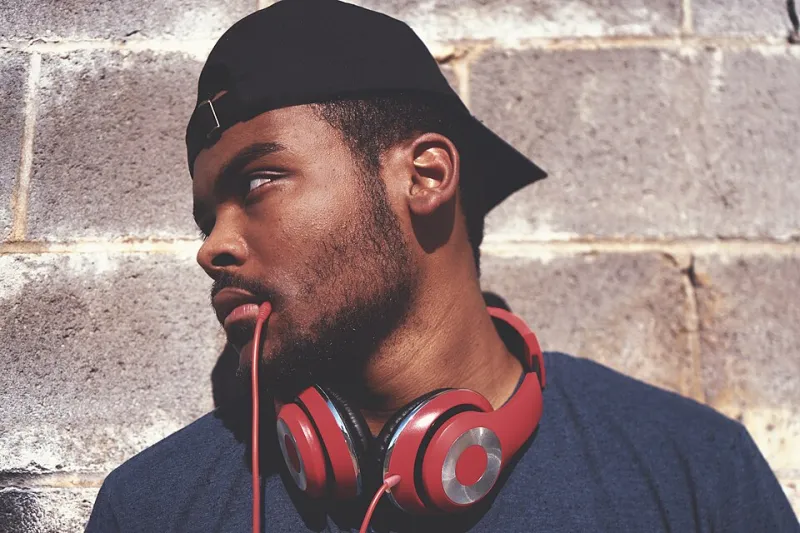
Photo: Daniel Romanson, CC0, via Wikimedia Commons
When Background Music Becomes a Ceremony
There's a moment that a lot of devoted ambient listeners describe in almost identical terms. You're sitting with headphones on, maybe just before sunrise or right before sleep, and a particular piece of music begins. The sound expands. Something in your chest releases. You're not multitasking, not half-listening while scrolling — you're actually there. Present. The music isn't in the background. It's the entire room.
That experience — intensely intentional, almost ritualistic — is what a growing community of Americans is chasing when they talk about building a "sonic practice." And it looks nothing like queuing up a playlist and hitting shuffle.
The Problem with Algorithmic Ambience
Spotify, Apple Music, and YouTube have all gotten very good at serving up ambient music. Type "focus music" or "sleep sounds" into any of those platforms and you'll get hours of content, most of it perfectly competent and utterly forgettable. The algorithms optimize for retention, not transformation. They want you comfortable, not moved.
For a lot of listeners, that's fine. But there's a subset of the ambient community — and it's growing faster than you might expect — that has started to feel like something is missing from the passive consumption model. They want more than sonic wallpaper. They want a relationship with the music they listen to.
"I got tired of music just happening to me," says one listener from Austin, Texas, who asked to be identified only as Marcus. He describes a daily practice that begins at 5:30 a.m. with a specific album — he rotates through a small, carefully chosen collection — played through good speakers in a darkened room before anyone else in his household is awake. "It's not meditation exactly, but it's not not meditation either. It's the thing that makes the rest of my day feel like it has a center."
Marcus is far from alone.
What a Sonic Ritual Actually Looks Like
The term "sonic ritual" might sound a little lofty, but in practice it's pretty simple: it's any intentional, repeated listening behavior tied to a specific context or intention. Some people build rituals around sleep — the same piece of long-form ambient music played every night as a signal to the nervous system that it's time to wind down. Others use specific albums or artists to mark life transitions: a breakup, a new job, a move across the country.
Wellness practitioners have started paying serious attention to this phenomenon. Therapists who work with sound and music therapy note that the consistency of a sonic ritual — the repetition, the intentionality — is part of what makes it effective. It's not just the music itself; it's the meaning you build around it over time.
"There's a concept in somatic therapy called 'resource anchoring,'" explains one New York-based therapist who incorporates ambient music into her practice. "When you repeatedly pair a calming sensory experience with a safe, grounded state, the sensory cue eventually becomes a shortcut back to that state. Ambient music is incredibly well-suited to this because it's non-narrative — it doesn't pull your attention toward a story. It just holds space."
The Producers Who Are Thinking About This
Interestingly, some of the most thoughtful voices in this conversation are the artists making the music themselves. A number of ambient and electronic producers have started creating work with explicit ritual use in mind — albums designed to be listened to in a single sitting, at specific times of day, or in conjunction with particular activities.
The tradition isn't new — Brian Eno famously conceived of ambient music as something that could be listened to actively or allowed to blend into the environment — but contemporary producers are taking the concept further, sometimes including listening guides or recommended contexts with their releases.
One Minneapolis-based producer who releases music under the name Pale Cartography describes her approach this way: "I think about the listener's body as much as their ears. Where are they sitting? What time is it? What do they need to release?" Her most recent release came with a short text suggesting it be played during the hour before sleep, with no screens, at low volume. The response from her audience was overwhelming — many listeners said it was the first album they'd actually listened to on purpose in years.
Sleep, Grief, and the Spaces Between
Some of the most powerful applications of intentional ambient listening are happening in contexts that mainstream wellness culture hasn't fully caught up with yet.
Grief support groups in several American cities have started incorporating ambient listening sessions into their programming — an hour of shared, silent listening to carefully chosen music, followed by optional discussion. Facilitators report that the music creates a kind of permission structure for emotional release that talking alone sometimes can't.
On the sleep side, the science is starting to catch up with what listeners have known intuitively for years. Research on music and sleep quality consistently finds that slow-tempo, low-stimulation music — which describes a huge swath of the ambient electronic catalog — can reduce sleep onset time and improve sleep quality, particularly for people dealing with anxiety. The key, practitioners note, is consistency: the same music, the same routine, night after night, building an association the brain can rely on.
And then there's the more explicitly spiritual dimension. For practitioners of various contemplative traditions across the US — Buddhist meditators, people exploring neo-pagan practices, those in recovery communities — ambient electronic music has become a secular-sacred tool, something that doesn't belong to any one tradition but can deepen almost any practice that involves stillness and presence.
Reclaiming the Listen
What ties all of these uses together is a rejection of passivity. The listeners building sonic rituals aren't consuming ambient music — they're working with it. They're bringing intention to the experience, and in doing so, they're discovering that this genre, which can seem so understated from the outside, has a remarkable capacity to meet people exactly where they are.
If you've never tried listening to ambient music on purpose — with good headphones, no distractions, and a specific intention — it's worth the experiment. Start small. Pick one album. Give it twenty minutes of your full attention before sleep or first thing in the morning.
The drift, it turns out, goes a lot deeper when you choose to enter it.