Heavy Quiet: The Strange, Beautiful Boom in Ambient Vinyl
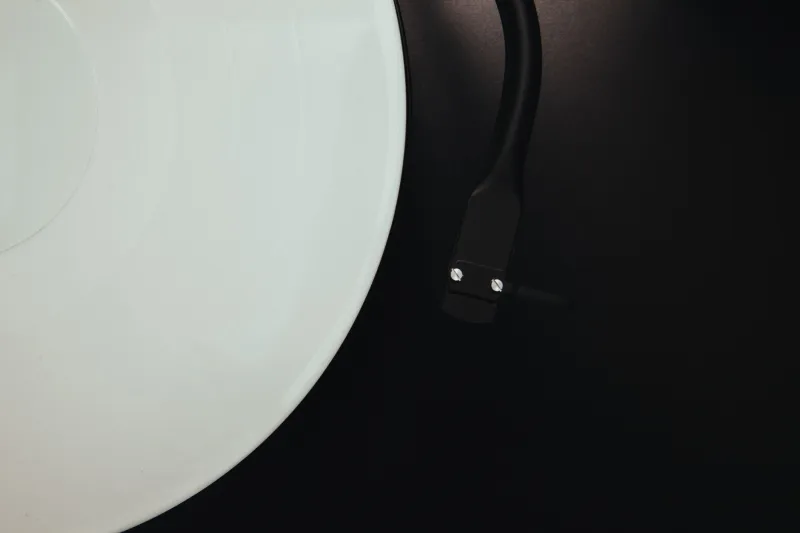
Ambient music is supposed to be invisible. It's the sound you put on while you work, sleep, or stare at the ceiling. So why is it showing up on 180-gram vinyl with gatefold sleeves, etched plates, and pressings that sell out before the preorder page finishes loading?
The Needle Drop as a Ritual
For collectors, vinyl is a way to make listening intentional. You can't skip a track as easily. You can't let the algorithm shuffle. You have to choose a side and sit with it. For ambient music, that ritual is especially potent. A 20-minute drone on vinyl asks you to stay. The physical format turns background music into foreground attention. The crackle, the runout groove, the slight variation in speed—they all become part of the piece.
Why Ambient Fits the Vinyl Comeback
Vinyl has been growing for years, but ambient is a natural fit. The genre values texture, packaging, and patience. Limited editions with custom art, colored vinyl, and inserts become objects of desire. Labels know this. They're pressing small runs, sometimes 300 or 500 copies, and watching them disappear. The scarcity is part of the appeal. So is the size. A 12-inch sleeve gives the artwork room to breathe, which matters when the music is already asking you to slow down.
The Labels Making Quiet Objects
Small American labels and reissue imprints are designing packages that feel like art books. Some include essays, photographs, and download codes. The object becomes a companion to the sound. Collectors aren't just buying a record; they're buying a way into the artist's world. For ambient producers, that's a rare opportunity. The music is abstract, but the packaging can be specific. It can give listeners something to hold while the sound does its work.
At the Pressing Plant
U.S. pressing plants are busy. The vinyl boom has created backlogs, and ambient releases are part of it. Plant owners say they see more electronic and ambient projects, often from small labels willing to pay for quality. The physical constraints—test pressings, lacquer delays, minimum orders—shape what gets made. A limited ambient LP might take months to arrive. Collectors wait. The waiting becomes part of the story.
The Collector's Calculus
Collectors buy ambient vinyl for the same reasons they buy any vinyl: sound, artwork, scarcity, and the story. But there's also something else. In a streaming world, owning a quiet record feels like a small act of defiance. It's a way to say this music matters enough to take up space. The 20-minute side is not a bug; it's the point.
What the Format Says About Listening
The vinyl quiet is a signal. It says Americans still want a physical relationship with sound, even when the sound is abstract. It says ambient music is not disposable. And it says the ritual of listening—choosing, dropping the needle, sitting down—is still valuable. The records may be quiet, but the message is loud.