The Screen Wants Your Drones: Inside Ambient Music's Sync Licensing Boom
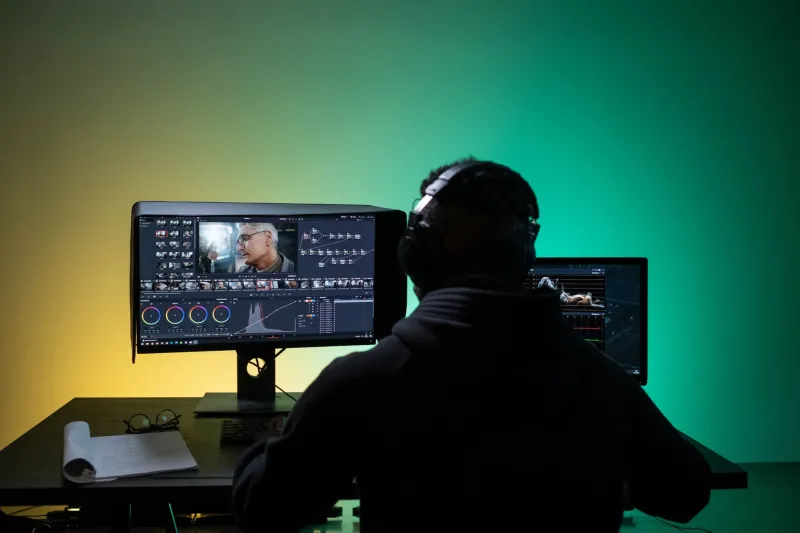
Ambient music has always been cinematic. It's the sound of a camera drifting over a city at dawn, a character staring out a window, a documentary letting a hard truth land. Lately, though, the relationship has become more transactional. Film and TV supervisors are actively looking for ambient and electronic textures, and independent producers are learning how to meet them halfway.
Why Supervisors Keep Asking for 'Texture'
The demand is coming from everywhere: streaming documentaries, limited series, indie films, even ads. Supervisors need music that doesn't fight dialogue. They want mood, tension, and space. They want tracks that can sit under a scene without announcing themselves, then swell just enough when the story needs it. Ambient fits because it's flexible. A single drone can be re-cut, layered, or stripped back. It can be lonely or hopeful depending on the context.
The Packaging Problem
Most ambient artists aren't thinking about sync when they produce. They're thinking about the album flow. But sync requires a different kind of preparation: clean instrumentals, stems, metadata, splits, and a clear rights situation. If you can't answer 'who owns this?' quickly, you're out of the running. Producers are learning to treat their catalog like a library. That means organizing files, naming versions clearly, and keeping a simple spreadsheet of what's available.
Metadata Is the Audition
Supervisors search by mood, tempo, instrumentation, and feel. If your track is tagged 'drone' and nothing else, it may never surface. Producers are adding descriptive tags: cold, hopeful, tense, wide open, slow build. They're also writing short descriptions and noting whether a track has vocals, drums, or field recordings. It's less romantic than making music, but it's how the music gets found. In the sync world, metadata is the first audition.
Stems, Edits, and the Art of Surrender
Sync often requires compromise. A supervisor might need a 30-second cut, a stripped-back version, or a stem with no low end. The artist has to decide which compromises are acceptable. Some producers build sync-friendly versions from the start: a main mix, an instrumental, a no-drums version, a 60-second edit. It's not selling out; it's learning the format. The goal is to make your work easy to use without sanding off what makes it yours.
The Money Is Not Always the Point
Sync fees can be decent, but the bigger value is often exposure. A track under a Netflix documentary or a Hulu series can lead to new listeners, playlist adds, and future licensing. But the payout structure is uneven. Royalties can be small, and the paperwork can be slow. Independent artists need to weigh the upfront fee against the long-tail benefit. Sometimes the right sync is worth taking for less than you'd like.
What It Means for Independent Ambient Artists
The sync economy rewards preparation and flexibility. It also rewards a certain kind of anonymity: music that supports a scene without stealing it. For ambient producers, that's not a stretch. The genre is already built on atmosphere and restraint. The challenge is learning to package that atmosphere for a system that runs on deadlines, metadata, and clear rights. If you can do that, the screen is wide open.